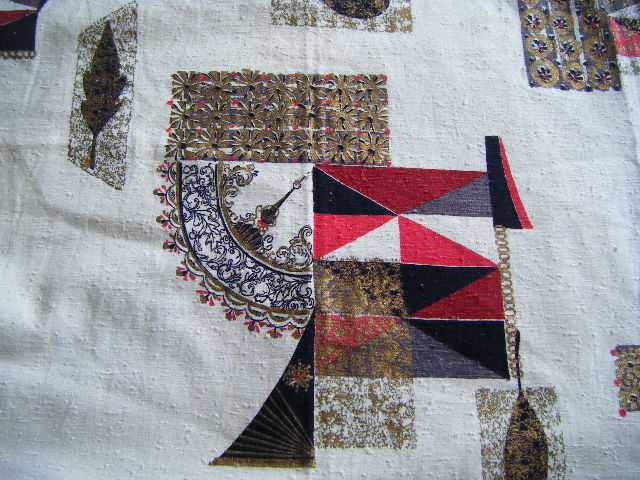
I was asked the other day about Rayons and Acetates. I'm a lover of Acetate fabric, I love its crunchy swishy sound and its ability to take bright colors. However in the discussion it ended up becoming a bit of a technical hiccup on weather or not these fabrics are natural, man made or synthetic.
To answer this in a bit more detail and to get a tad round about, they are in a way both…
Although they are manufactured fibers, they are not considered synthetic. They are referred to generically as “regenerated cellulosic fibers” or "second generation cellulosics" due to the way they are manufactured. They are derived from wood pulp then chemically treated to create a fibre. But on the flip side they are not strictly natural fibers either as they are not produced directly or entirely from plants or animals. But when you break it down their properties are more closely aligned to natural cellulosic fibers, such as cotton and linen than petroleum-based synthetic fibers such as nylon or polyester.
The technology behind these fabrics was developed in the mid to late 1800’s for other applications such as photography and early resins but was not applied as commercially viable fibers until the early 1900’s.
Rayon
Courtaulds Fibers produced the first commercial viscose rayon or artificial silk in 1905 and in the USA it was produced in 1910. However globally the fabric did not adopt the name ‘rayon’ until 1924. Rayon gets its name from the hybrid of ‘sun rays’ due to its ability to handle bright color and have sheen and cotton due to its similar chemical structure. Sun ‘ray’ + cott ‘on’ made ‘Rayon’.
Now days more commonly referred to as ‘viscose’ as this is the main way of producing the fabric. But there are many methods for producing a rayon fiber and there are many sub classes such as Lyocell and companies producing fibers today. Modal and Tencel are modern brand names. But it’s all Rayon.
Vintage Rayon brands are Avicolor, Avril, Bemberg, Coloray, Cupioni, Englo, Enkrome and Zantrel.
Vintage rayon is highly collectable from day dresses and evening wear to Hawaiian shirts manufactured from the 40s and 50s.
 |
| 1940's Rayon |
Acetate
The first commercially produced Acetate yarn was in the UK in 1912. Originally produced for crochet, sewing threads and trims due to its bright luster and dyeing properties. Acetate as a Fabric was produced after WW1 in Europe and was first made in the USA in 1924.
Some of you may have fabrics in your collection that are ‘Celanese’, this is one of the first branded ‘Acetate’ fabrics from the Celanese Company. Celanese was very popular in the 20’s and 30’s for making underwear and slips and often was printed with small florals or was quite pale in color.
Vintage acetate is also found very commonly as scarves and in garment linings and as taffetas, satins and brocades.
Other brand names are Acele, Avicolor, Aviso, Celaperm, Celara, Chromspun and Estron.
It gets even more confusing with some fabrics and processes being called ‘acetate rayons’ and with both the fibers being blended into cottons and silks…you can go about in circles, but the two fabrics are very closely related.
 |
| 40s Acetate |
Caring for your vintage Rayon and Acetate
Rayon and Acetate are both wonderful fabrics but do have some pros and cons.
They are both prone to creasing and will weaken and fade if exposed to light and both are not the strongest fabrics and this will worsen when wet so take care when laundering. Try to avoid soaking.
Always pre-wash rayon as it’s prone to shrinking
Gentle hand wash as you would a woolie – gently squish the suds through in a bath of luke warm water. Rinse well and do not wring or twist. If you have a front loader the gentle spin cycle for woolens might be an option to remove excess water.
Line dry away from direct sunlight.
Iron Acetate while damp and do not use a hot iron as it will melt, Acetate can also ‘bruise’ so be careful if you are ironing a garment, be mindful of your seams. Also be careful with Rayon as it can develop heat shine, so a pressing cloth is helpful.
Also, watch for dye run off, many old acetates that are printed such as scarves have a tendency to bleed. If you are at all concerned, a trip to the dry cleaner could be the best option.
Make sure you store your garments clean. If storing fabric for a long period, it’s a good idea to refold every few months to avoid getting permanent creases.
 |
| Late 60's Acetate Satin |
 |
| 1940's Rayon |